
Unrealistic JD expectations vs actual salary offered
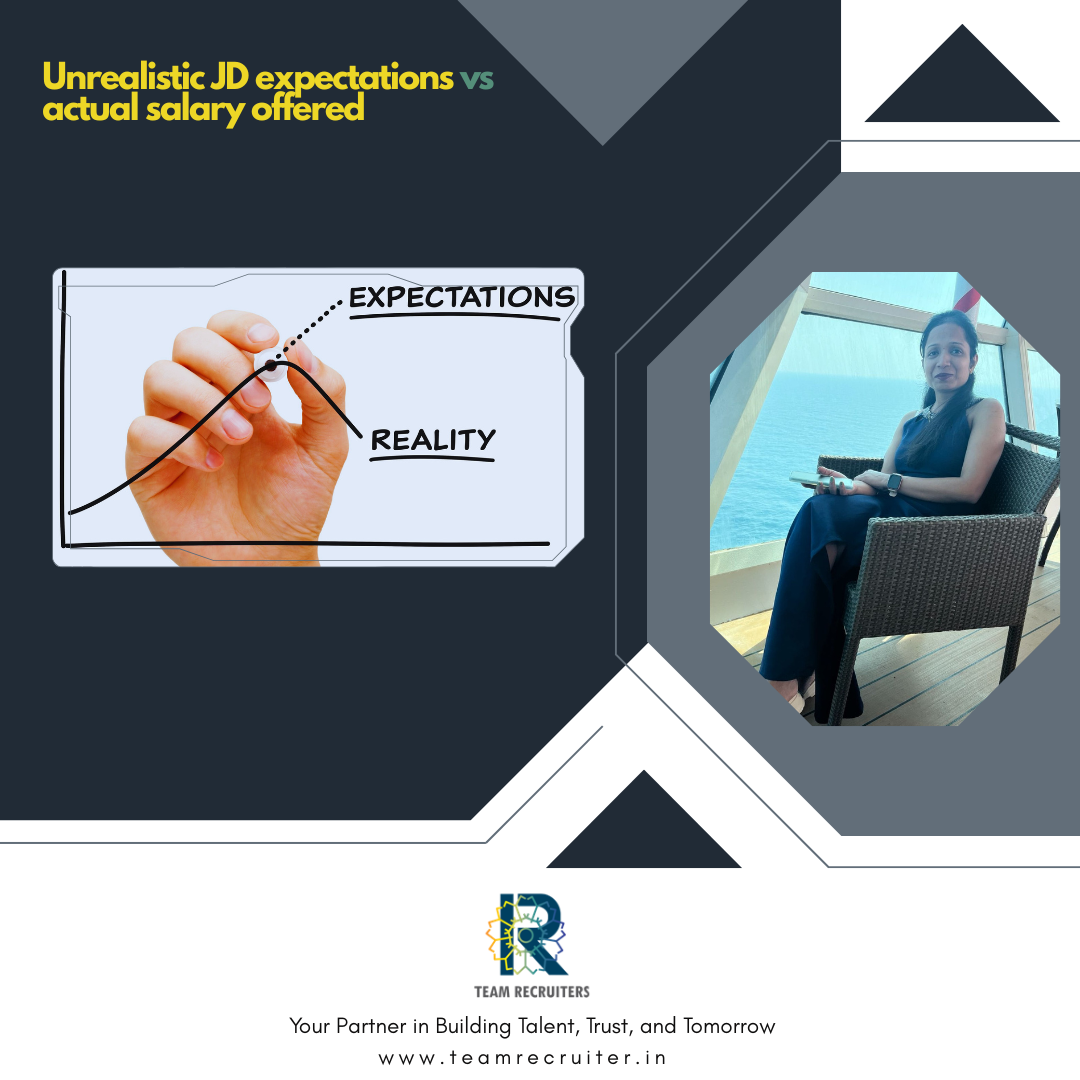
One of the biggest paradoxes in today’s hiring market is the widening gap between Job Description expectations and the actual salary being offered.
One of our clients was looking to build a dynamic product development team and wanted very niche performers from competitor organizations. These were experienced professionals with strong domain expertise and proven execution capability.
The hiring process was extensive:
- Multiple rounds of technical evaluations
- Leadership discussions
- Strategic and cultural fit assessments
The candidates who cleared the process were exactly the kind of talent the organization wanted.
However, when salary discussions began, the approach changed.
The organization started hesitating on compensation closure citing:
- Budget constraints
- Negative market sentiments
- Brand value of the company
- Future growth opportunities
- Long-term career prospects instead of immediate compensation alignment
Offers were eventually rolled out, but below market expectations for the calibre of talent being pursued.
Some candidates reluctantly accepted at that stage.
But when joining dates arrived…
There was a 100% dropout.
Not because the candidates lacked commitment, but because somewhere between expectations and compensation, the value equation broke down.
This incident reinforced an important lesson:
If organizations want premium talent and niche performers, compensation cannot become an afterthought.
Today’s professionals understand their market worth. Employer brand and future opportunities matter, but fair compensation and respect for expertise matter equally.
The market does not expect companies to overpay.
But it certainly expects alignment between:
👉 Expectations vs Compensation
👉 Role Criticality vs Budget
👉 Talent Quality vs Value Offered
Because eventually, underestimating talent becomes far more expensive than paying fairly for it.

Comments are closed.